
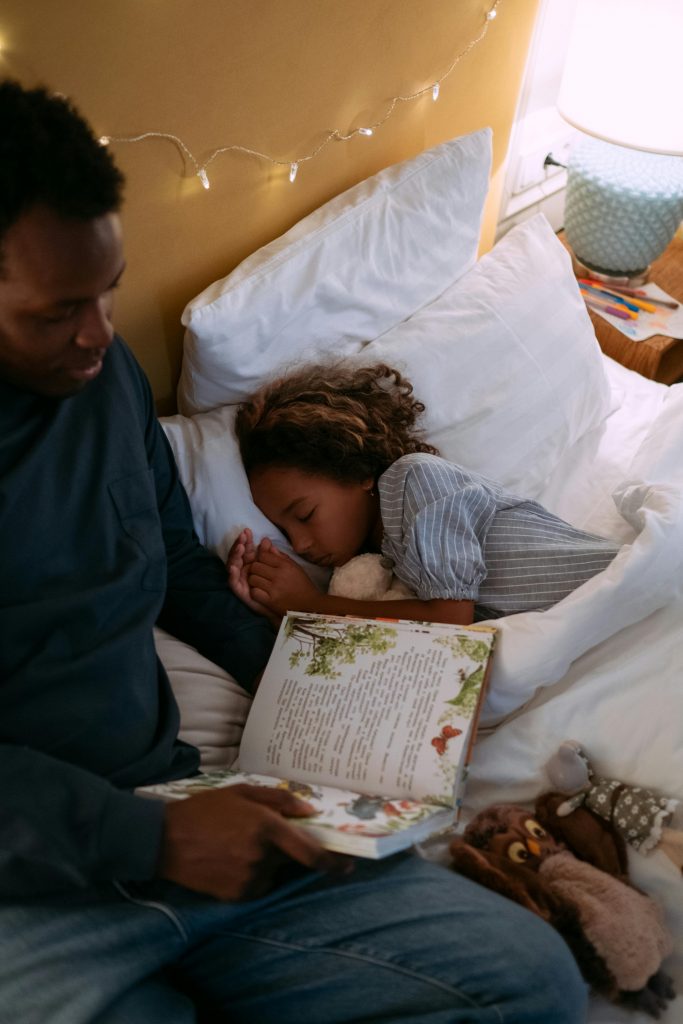
If there’s one thing I wish every parent knew earlier, it’s how powerful a good bedtime routine can be – it’s the VERY first thing I look at when I receive sleep logs from a new family. When you’re raising little ones, sleep can feel like the hardest puzzle to solve, especially when you’re already exhausted. The good news is that a consistent bedtime routine can make a huge difference, not just for your child’s sleep, but for the whole family.
Not only is having a bedtime routine in place a quick and easy way to help families get some structure to their evening, it’s also a hugely important part of a child’s development. Studies have shown that bedtime routines offer many nurturing and developmental benefits, not just for your little one, but for the wider family too.
Why Bedtime Routines Are So Important
Children thrive on predictability. Knowing what comes next helps them feel safe and secure, and bedtime is no different. A consistent routine acts like a gentle signal to your child’s brain that sleep is coming. Over time, their body learns to recognise these cues and starts to wind down more easily.
This links closely to your child’s circadian rhythm, which is their internal body clock. When bedtime happens in a similar way each evening, that clock becomes more reliable. This often means quicker settling, fewer bedtime battles, and better quality sleep overnight. Quality sleep is especially important for babies and toddlers as their brains are developing rapidly.
A bedtime routine can be a simple set of steps that a baby or toddler recognises as the lead up to bedtime. This might include a bath or massage, books or songs, some one-on-one time with a parent, or other low-stimulating activities. The aim is to have something calming for your little one, enjoyable as a family, and realistic for your lifestyle. For example, routines might need to work around nursery pick-ups, or when a parent returns from work.
We usually recommend keeping the routine to around 30-40 minutes, but some families prioritise a longer routine and that’s fine too, as long as your baby is still able to meet their sleep needs for the day.
Consistency Really Does Matter
Think about how hard it is for you to relax and fall asleep after a chaotic or unpredictable evening. Children feel the same. When bedtime changes every night or the routine is different each time, it can feel confusing and unsettling for them.
Children don’t have language from birth and develop it at different ages. A series of familiar steps prepares them for bedtime, so there are no surprises – even when you can’t communicate everything verbally. Many little ones feel most secure and happy when they know what is coming next and what to expect each day.
A consistent routine brings comfort. It helps your child know exactly what’s coming next, which makes the transition from busy daytime to calm nighttime much smoother. That sense of security can be incredibly calming, especially for sensitive or easily overstimulated little ones.
Building Healthy Sleep Habits Early
A bedtime routine isn’t just about tonight’s sleep. It’s about building habits that can last for years. When children grow up with a predictable bedtime routine, they learn that sleep is important and something their body can rely on.
These habits often carry through into childhood, teenage years, and even adulthood. Good sleep supports mood, behaviour, learning, and overall health, so you’re giving your child a really solid foundation.
Creating a calm environment before bed also plays a big part. Many families find it helpful to dim the lights and reduce noise as bedtime approaches. Others choose a low-stimulating TV show as part of their wind down. The key is minimising excitement and helping your child shift into a calmer state before sleep.
Tips for Creating an Effective Bedtime Routine
A bedtime routine doesn’t need to be complicated or Pinterest perfect. Simple and consistent is best.
- Start at the same time each night: This helps reinforce your child’s body clock and makes falling asleep easier.
- Wind down with calming activities: Reading, a warm bath, cuddles, or gentle massage all work well.
- Limit screen time: Screens can interfere with melatonin, the hormone that helps us feel sleepy. Try to avoid them in the hour before bed. If your routine does include screens, choose low-stimulating shows.
- Keep it short and manageable: Around 15 to 30 minutes is usually plenty, and I recommend keeping it no longer than 40 minutes from start to finish.
- Be patient: It can take time for a new routine to feel familiar. Consistency is more important than perfection.
A Sample Bedtime Routine
Every family is different, and what works beautifully for one baby might not suit another. This is just an example you can adapt:
- Warm bath or wipe down: A soothing bath helps your baby relax and signals bedtime is near. If it’s not bath night, then a wipe down in the bathroom can help signal it’s bedtime.
- Gentle massage: Using a baby-safe oil or moisturiser, softly massage arms, legs, and back.
- Comfortable sleepwear: Dress your baby appropriately for the room temperature to feel cosy and settled.
- Dim the lights: Soft, warm lighting helps signal that bedtime is coming.
- Bedtime story: Read a quiet, calming story while cuddling your baby.
- Sleep space: Place your baby in their sleep space while they’re still awake to support independent sleep skills.
A bedtime routine is one of the kindest gifts you can give your child and yourself. It’s not just about falling asleep faster, but about emotional wellbeing, security, and building healthy sleep habits that last.
By keeping bedtime routines consistent, simple, and calm, you’re helping your child get the restorative sleep they need. That usually means happier days and nights for the whole family.
You’re doing an amazing job. Even small changes can make a big difference in helping everyone feel more rested and less stressed.
I am Emily, from Mini Dreamers Sleep Consultant; a devoted mom, experienced teacher, and a baby and toddler sleep consultant. I understand first hand the challenges and joys of parenthood, and I’m here to help you and your little one achieve the peaceful, restorative sleep you and your family need. Follow me @minidreamerssleep and check out 1:1 services.